
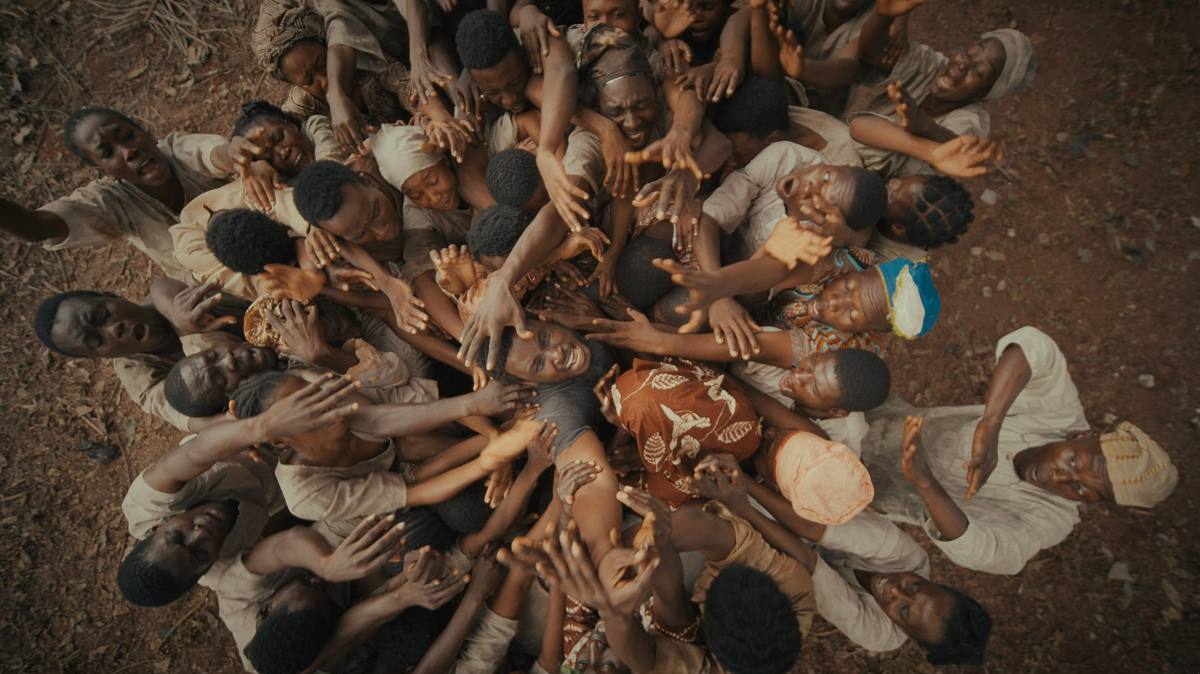

In my previous article on the movie, Agbara Nla: The Return, I discussed at length the character of Ishawuru. About a quarter into the story, we meet Olabode (played by Pastor Philip Olubakin), a working man in a boardroom who has been hearing the cries of people he cannot see. He knows it is a call to the mission field. Another encounter like this occurs during a meeting in a boardroom, and he knows he cannot resist it anymore. This call stirs him to leave his job and the life he had built to go with his wife, a doctor albeit, and build their home in the village of Muwonleru, as missionaries. There, they meet Ishawuru and the spiritual battle that unfolds in the story.
From when I was much younger, stories of missionaries abounded in our libraries. Many of our family friends were missionaries in diverse communities. My family actually was in a location where Christians were in danger in Northern Nigeria. We eventually needed to leave. But the real experiences of missionaries were part and parcel of our lives.
Now as a family man in my 30s, watching the storyline in Agbara Nla unfold brought the theme home with more gravity.
What would make a man leave the security and responsibilities of his work and life to head into the unknown for the Gospel?
Do these kinds of spiritual powers exist?
And, perhaps more importantly, Why do stories about missionaries entering communities, confronting spiritual darkness and bringing people to Christ still matter today?
For me, the answer goes back to the very heart of the Christian faith: Salvation.
Many of us understand salvation primarily in terms of forgiveness of sins. And rightly so. Through Christ, we receive forgiveness, reconciliation with God and deliverance from the power of sin. But there is another dimension of salvation that I think deserves more attention, which the movie made me appreciate much more. The Cross was not merely a place where our sins were dealt with; it was also a battlefield on which Christ triumphed over the powers of darkness. This is one of the ways Christians have understood the work of Christ through what is commonly called in theological discourse Christus Victor, or Christ the Victor.
Powers
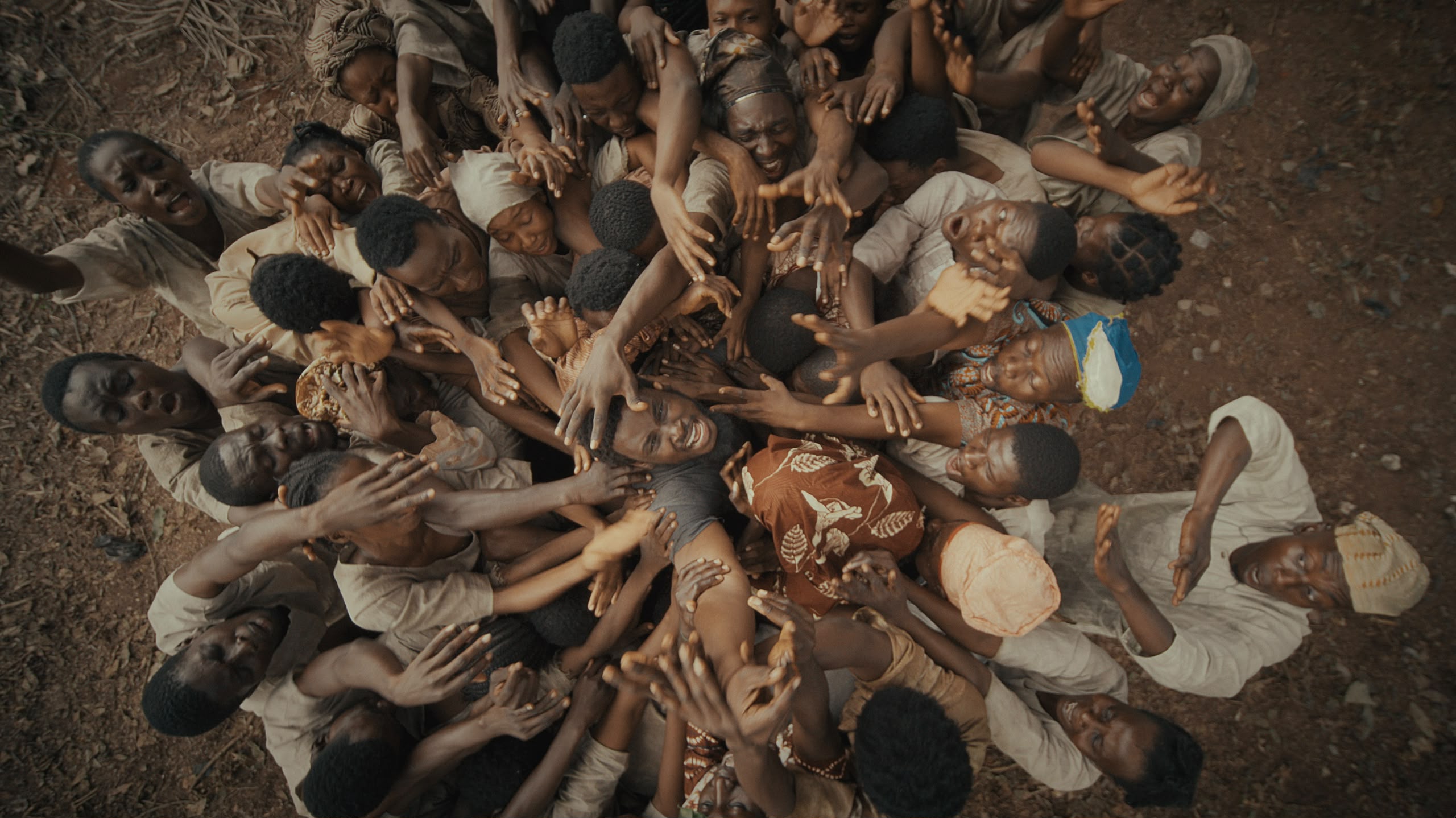
In our previous article, we established how well the movie portrayed the suffering and bondage of the people of Muwonleru under the evil spiritual forces that ruled them, and how they feared the wicked shaman, Ishawuru. The man himself was an interesting expression of this arrangement. One might say he was an embodiment of ‘spiritual wickedness in heavenly places’, one who could terrorise other humans without hesitation to establish his dominance. Yet, when he interacted with the spiritual powers he served, we saw another side of him. The man who appeared fearless before people became fearful before these other powers. He could exercise authority over others, but he was not truly free himself.
That contrast tells us something very important:
Ishawuru was both an oppressor and, in another sense, someone under oppression.
He participated in the bondage of others while remaining subject to powers greater than himself.
The Bible, in Ephesians 6:10–12, gives us the terminology for these kinds of evil when Paul encourages believers to be strong in the Lord and to put on the whole armour of God. He then explains that our struggle is not against flesh and blood, but against principalities, powers, rulers of the darkness of this world and spiritual wickedness in high places. The passage presents a reality that goes beyond what we can see and touch.
There is a spiritual dimension to the conflict confronting humanity. The film brings that idea into a visual story, allowing us to see a community living under the influence of forces that are hostile to human flourishing.
There are also passages in Scripture that have informed Christian discussions about spiritual powers and their relationship with territories and nations. In Daniel 10:12–13, for instance, Daniel is told that the prince of the kingdom of Persia resisted an angelic messenger sent to him until another angel, Michael, came to help. The passage gives us a picture of spiritual opposition operating beyond the immediate human circumstances we observe. Perhaps it’s not every global shift or catastrophe that was only caused by the influence of men.
Agbara Nla: The Return thus presents a world in which human beings are caught in a larger conflict involving powers that seek to keep us in bondage.
The Cross was a battlefield
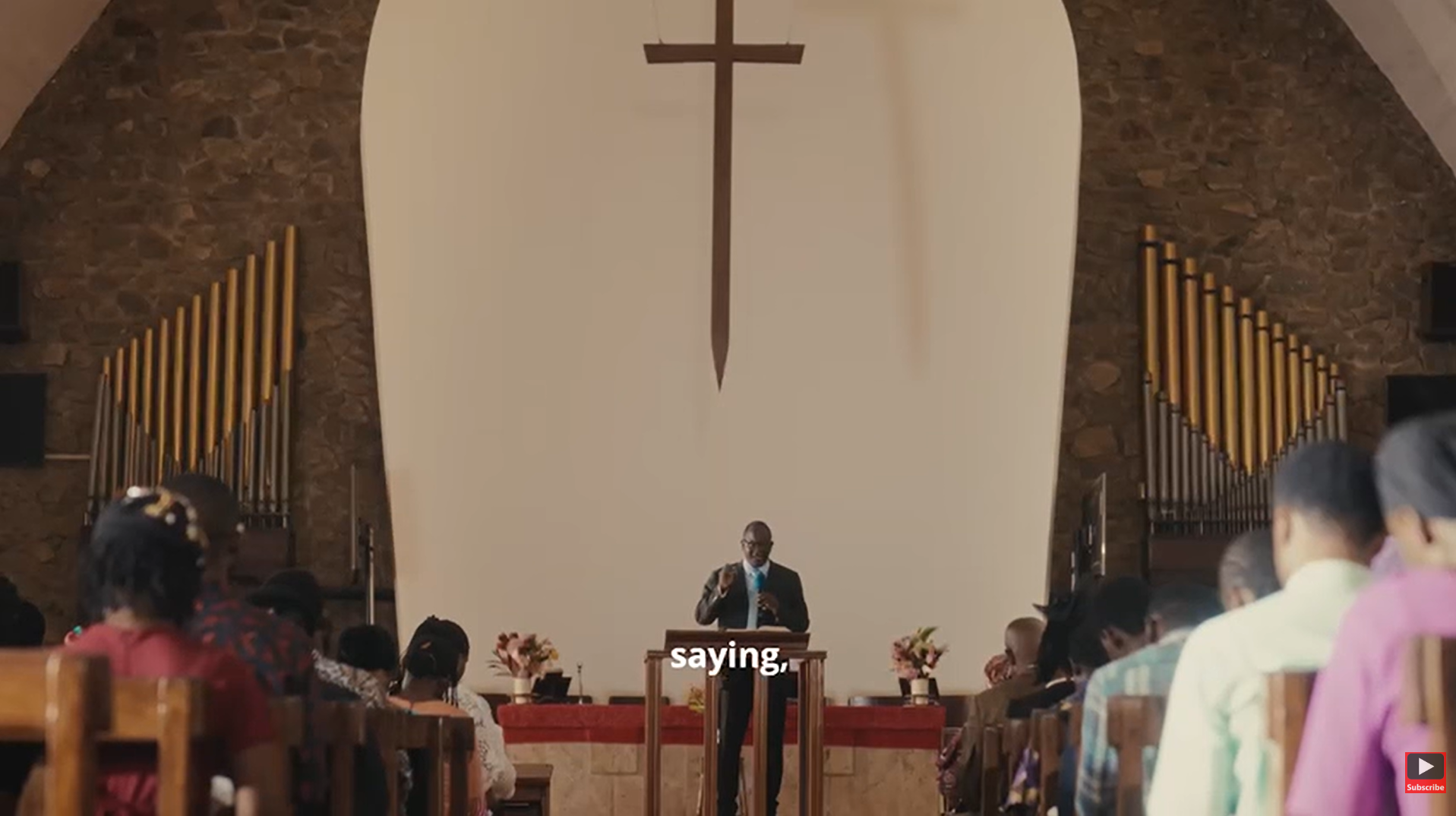
Colossians 2:15 is particularly striking as it tells us what Christ did in Redemption:
Blotting out the handwriting of ordinances that was against us, which was contrary to us, and took it out of the way, nailing it to his cross;
And having spoiled principalities and powers, he made a shew of them openly, triumphing over them in it.
Think about the language used in that passage. Imagine we used to be captives of a terrorist organization. Jesus as a military general rescued us. Through His victory on the Cross, He took all our oppressors’ weapons, and mocked them in front of us. They didn’t see this coming because He did the opposite of what one would expect: He overcame by dying, triumphing by taking the lowliest role. What appeared to be the triumph of darkness became the very means of its defeat.
Or, as the characters in another Mount Zion production would say, “No Blood, No Glory!” Because of Christ’s Blood shed, we can now see the glory of God.
Glory to God!
This understanding of the Cross is especially meaningful when we consider the world that Agbara Nla: The Return builds around Muwonleru. We have seen the different powers, their influence and the suffering of the people under their control. We have seen Ishawuru’s own fear before the spirits he serves. And then we see Jesus enter the story, appearing to Ishawuru in a Pauline encounter.
Christ’s great power is not expressed through the cruelty and domination that characterise the other powers in the story. He comes with the authority to deliver, but He approaches the man in bondage with compassion.
That scene, for me, captures something of the beauty of the Gospel. The One who has power over all things does not have to imitate the cruelty of those who exercised power over us.
He came to set the captives free
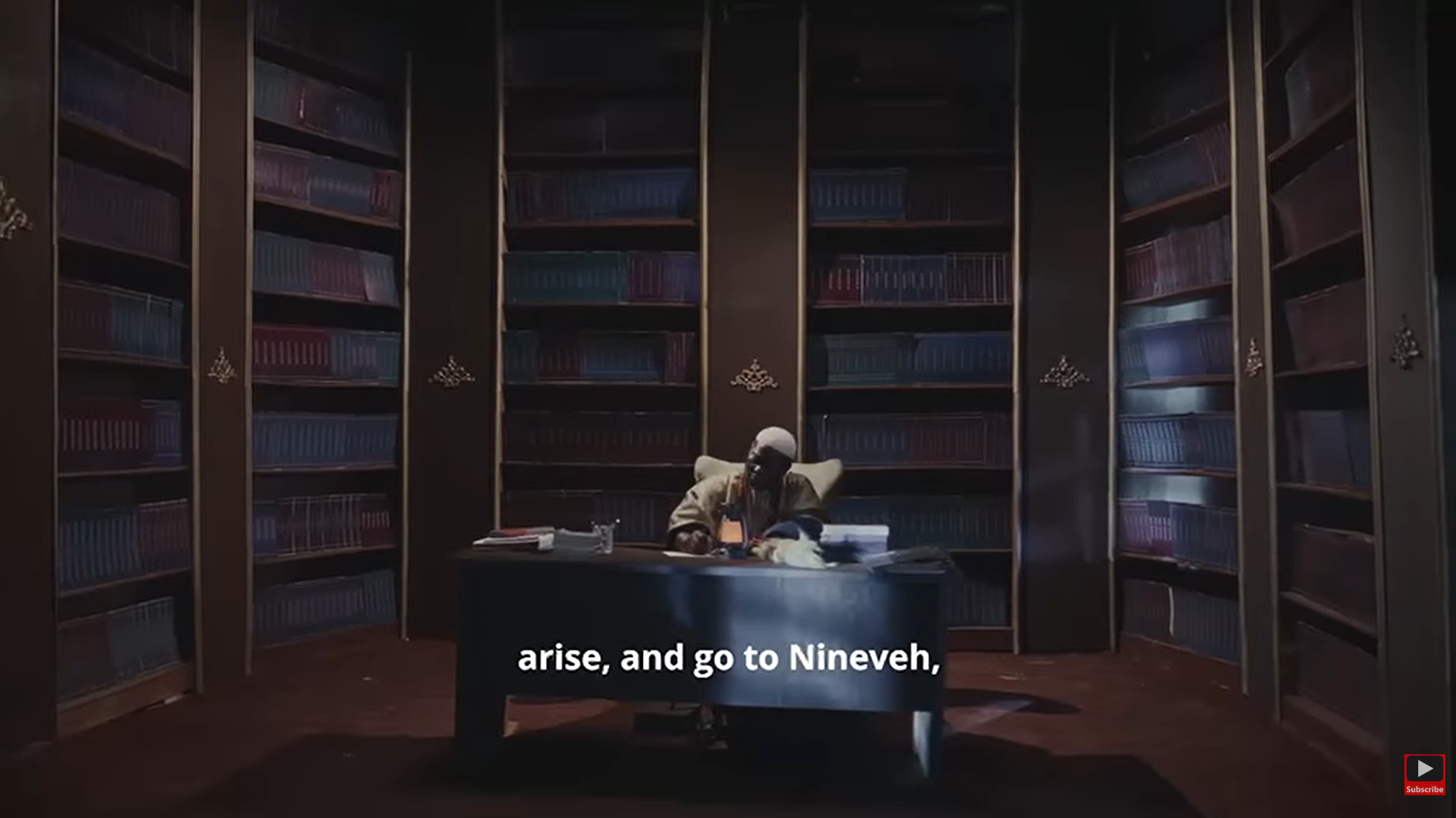
Christ’s victory is also about what that victory means for those who had been held captive.
Hebrews 2:14–15 gives us another important perspective.
Forasmuch then as the children are partakers of flesh and blood, he also himself likewise took part of the same; that through death he might destroy him that had the power of death, that is, the devil;
Jesus took on human nature and entered into our condition. He went through death, not because death had authority over Him, but so that through His death He might break its hold over those who lived in its fear.
Revelation 1:18 reinforces this picture. The risen Christ declares that He was dead, but is alive forevermore, and that He holds the keys of death and Hades.
This is why the final chapter of Agbara Nla: The Return, “The New Man”, is so important to the story. We do not simply see Ishawuru encounter Jesus and then end the film. We are shown the consequences of that encounter. His life changes. The town changes. The world around him changes. He is leading prayers in the village church. The man that the village feared is now singing along with children in the marketsquare!
The transformation is the evidence of the victory.
I particularly appreciated this narrative choice because it shows that Christ’s victory is not an abstract theological statement. It has consequences for real people and the communities in which they live.
The victory of Christ is therefore not simply about the defeat of evil powers; it is also about the restoration and liberation of people.
This is the message of Agbara Nla: The Return, and this gives deeper significance to the missionary dimension of the story.
This is the message of Agbara Nla: The Return, and this gives deeper significance to the missionary dimension of the story.
A victory worth proclaiming
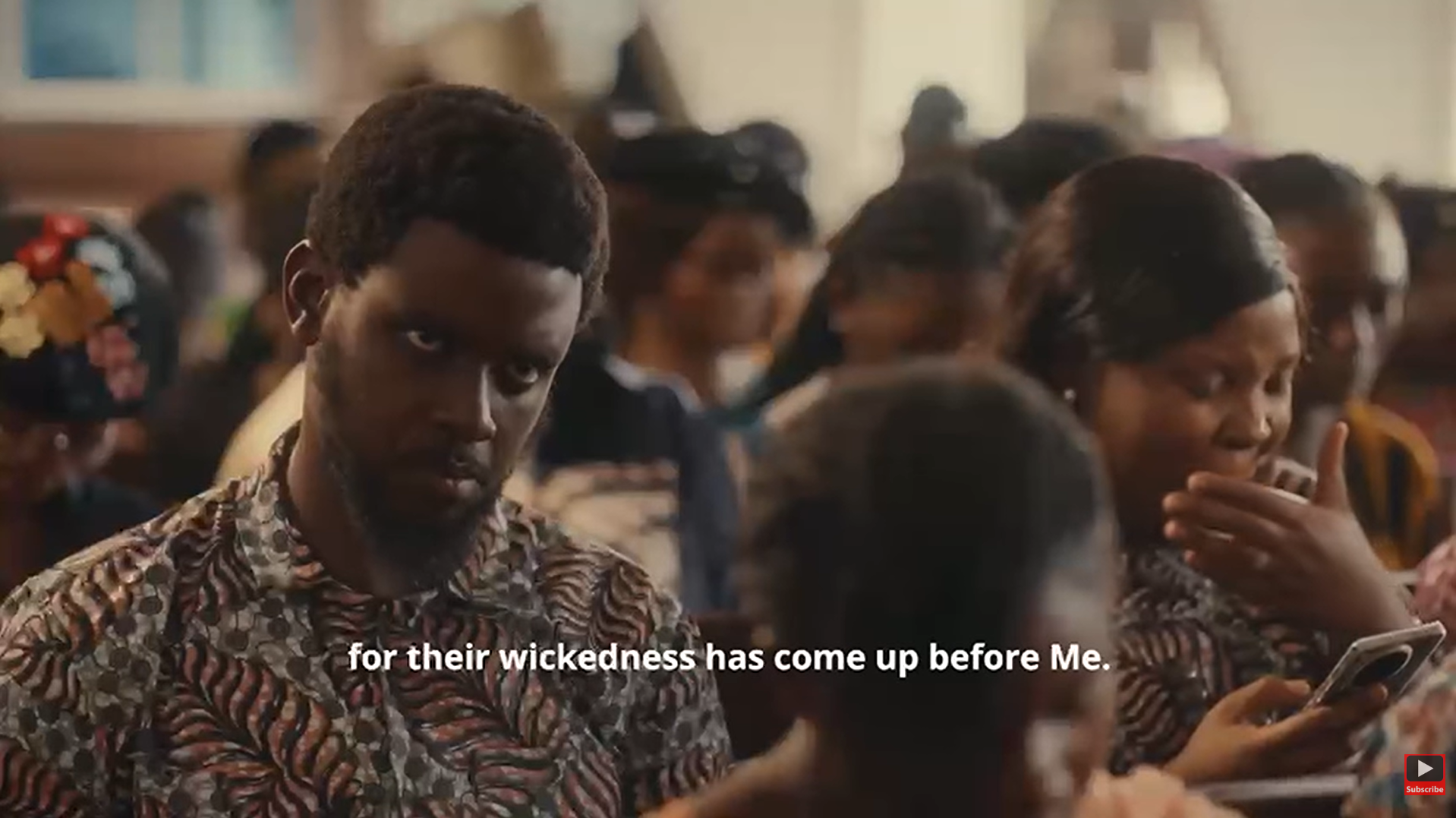
Before we meet Olabode in the story, we meet Kola and Bose, played exceptionally by Damilola Mike-Bamiloye and Aanu Kolade-Abiodun. Kola had received the call to the mission field as well, but the pressures of this time kept them from going ahead with it. Placing this couple’s story in contrast to Olabode’s portrayed the stakes, and while I could understand both sides, it made me see even much more that whatever would compel Olabode to leave all they had attained, to go to Muwonleru, must be of greater and higher significance than anything the prestige offered.
And it is!
This brings us back to the question of missionary stories. Why should we still tell stories about people leaving familiar surroundings to take the Gospel into places where Christ is not known? Why does Olabode’s decision to leave his white-collar job and become a missionary matter?
Because the Gospel is a victory announcement, and we should never forget that!
The early Christians did not carry a message that was powerless before the spiritual realities of the world they entered. They proclaimed Jesus Christ: the One who had died, risen again and triumphed over death and the powers of darkness. The message they carried was the announcement of a victory already secured.
Olabode was responding to a message that must be taken to others; proclaiming the victory of Christ and the freedom that is available through Him.
The Gospel’s advance into different territories was never dependent on the absence of spiritual opposition. The Christian message spread into places with their own religious systems, spiritual traditions and structures of power. Yet the early Christians continued to proclaim Christ. Missionaries over the centuries have been instrumental in bringing education, health facilities and societal progress to communities and nations at large, on the foundation of the Gospel of Christ.
DID YOU KNOW: Muwonleru literally means in English, ‘Keep them in bondage.’ Because of the darkness, humanity has been in bondage.
Muwonleru might just be a picture of the whole world. We are all sent to Muwonleru, because now it is all around us.
That is part of what makes the missionary mandate meaningful. We are not sent out because every place we enter is already free from opposition. We are sent because the One we proclaim has authority over every power.
And this is not only a message for the past.
The powers have changed their faces

One could argue that the spiritual powers and structures of bondage depicted in films like Agbara Nla belong to a different time and a different setting. But I think the underlying question remains relevant: what are the things holding people captive today?
The forms of bondage we encounter may not always look like the spiritual manifestations portrayed in the film. Some people are trapped in destructive habits. Others are held by addictions, fear, despair, harmful ideologies or patterns of behaviour that diminish their lives. The internet, for instance, can become an instrument of unhealthy dependence and destructive influence. In the movie, Bose is so addicted to her phone that she is checking it during a church service!
Of course, we must be careful not to attribute every human difficulty to a particular evil spirit. Human struggles are complex, and they can have spiritual, psychological, social and material dimensions. But the broader point remains: it is not God’s intention that human beings should live under the domination of anything that destroys them.
The message and certainty of Christ’s victory speaks to the opportunity for freedom. It reminds us that no power, however intimidating it may appear, is greater than Christ. No form of bondage has the final word over the person who finds freedom in Him.
While watching the movie, seeing Olabode and his wife simply praying for the sick and watching them being healed drove this home for me. We, the evidence of Christ’s Victory, are ambassadors of His Victory. His Gospel carries His Power to save.
The Jesus who confronted the powers in the world of Muwonleru is the same risen Christ who declares in Revelation that He holds the keys of death and Hades. His victory is not limited to the setting of a film or the world of a particular generation. It remains the foundation of our proclamation.
The message of Agbara Nla

This is why I think this story is still as relevant today as it was in 1993 when Mike Bamiloye wrote, directed, and produced the original serial. There have been diverse testimonies of people saved, or rededicating their lives to Jesus, after watching the movie.
This has been a staple and something we have come to expect from every Mount Zion production, and it says something. It tells us that the Jesus they proclaim is so powerful that even the medium of the media is no barrier for Him to transform lives and build them, rooted in Him. The sustainability of this message through the years is a testament to God’s mercy over the ministry. Taking this to the a larger audience through the cinemas, Mount Zion is literally doing what the movie portrays: engaging the mission field of the world with the message of Christ’s deliverance. While I continue to marvel at the legacy of the ministry, I have bright hopes for its future.
And this would be the core of the final entry in this series of articles on Agbara Nla.
Thanks for reading!
EMMANUEL ONIMISI is a creative communicator who uses storytelling and different forms of media to educate, inspire and communicate ideas in ways that people can easily understand. His stories and books are available at EmmanuelOnimisi.com

